
Female Sexual Health Doctor in NYC: Pelvic and Sexual Wellness Care in New York, NY
Painful sex, low desire, and bladder leaks are common, and they are treatable. Get private, personalized care from an OB-GYN who has focused on women's health since 1981.
Ask Us About Non-Surgical Vaginal Rejuvenation with 
You're Not Alone, and It's Not Just in Your Head
Maybe sex has started to hurt. Maybe your desire has faded and you can't quite explain why. Maybe you've started planning your day around the nearest restroom, or you laugh a little less freely because you're worried about leaking. If any of this sounds familiar, you're not alone. Many women live with these changes, and far too many tolerate them in silence because they assume it's just part of getting older or having children.
Every woman has a right to a comfortable, satisfying sex life and a body she can trust. As a female sexual health doctor in NYC, Dr. Mark P. Gold, MD helps women in New York, NY understand what's really going on and find treatment that fits their bodies, their goals, and their stage of life. These conversations are private, judgment-free, and taken seriously.
Pelvic and Sexual Health Concerns Dr. Gold Treats
Pelvic and sexual health symptoms often overlap, so one concern can quietly feed another. Dr. Gold looks at the full picture, including your hormones, your history, and how you actually feel day to day.
Painful Intercourse
Burning, tightness, or soreness during or after sex, often linked to dryness or thinning tissue. You shouldn't have to brace yourself for intimacy.
Low Libido
A drop in desire that feels out of character, shaped by hormones, stress, medications, or discomfort.
Vaginal Dryness and Laxity
Changes after childbirth or menopause that can affect comfort, sensation, and confidence.
Urinary Incontinence
Leaking when you cough, laugh, or exercise, or sudden urges that are hard to control.
Arousal and Orgasm Concerns
Reduced sensation or difficulty reaching orgasm, which can have physical as well as emotional roots.
Postpartum and Menopausal Changes
Shifts in pelvic comfort and function after pregnancy or as estrogen levels decline.
What does a female sexual health doctor treat?
A female sexual health doctor evaluates and treats concerns such as painful intercourse, low libido, vaginal dryness and laxity, urinary incontinence, arousal and orgasm difficulties, and pelvic changes after childbirth or menopause. Care typically combines a medical history, exam, and lab work with treatment options like hormone therapy, local vaginal therapies, or in-office procedures.
Why Your Body Feels Different Now
It's not your willpower, and you're not broken. Most pelvic and sexual health changes have clear, physical causes, and understanding them is the first step toward feeling better.

Estrogen does a lot of quiet work in the pelvic area. It keeps vaginal tissue thick, elastic, and well lubricated, supports healthy blood flow, and helps maintain the tissues around the bladder and urethra. During perimenopause and menopause, estrogen declines, and those tissues can become thinner, drier, and more fragile. Doctors call this genitourinary syndrome of menopause, and it is one of the most common reasons sex becomes painful and bladder symptoms appear in midlife.
Testosterone matters too. Women produce it in smaller amounts, and it contributes to desire, arousal, and energy. As levels fall with age, libido often follows. Pregnancy and vaginal delivery can also stretch and weaken the pelvic floor muscles that support the bladder, which is why leaking is so common after childbirth. Add stress, poor sleep, and certain medications, and it's easy to see how these symptoms build. The encouraging part? Once you know the cause, you can treat it.
Why does sex become painful after menopause?
As estrogen declines during menopause, vaginal tissue becomes thinner, drier, and less elastic, a condition called genitourinary syndrome of menopause (GSM). Less natural lubrication and more fragile tissue can cause burning, tightness, or soreness during sex. Treatments such as low-dose vaginal estrogen, bioidentical hormone therapy, or ThermiVa can help restore comfort.
Treatment Options for Pelvic and Sexual Health
There's no single fix for every woman, and you won't be handed a one-size-fits-all plan. Depending on what's behind your symptoms, Dr. Gold may recommend one approach or a thoughtful combination.
ThermiVa Vaginal Rejuvenation
ThermiVa is a non-surgical treatment that uses gentle, controlled radiofrequency energy to warm vaginal and vulvar tissue. Many women report improvements in moisture, sensation, and mild bladder leakage after a series of sessions. Treatments are done in the office without anesthesia, and most women return to their usual activities the same day.
Bioidentical Hormone Therapy
When declining hormones are driving your symptoms, bioidentical hormone replacement therapy (BHRT) can help restore balance. Dr. Gold uses plant-derived estrogen, progesterone, and, when appropriate, testosterone, dosed to your lab results and symptoms. Many women notice changes in desire, energy, and tissue comfort.
Local Vaginal Therapies
For dryness and painful intercourse, low-dose vaginal estrogen and other targeted treatments restore comfort right where it's needed. These options act locally and are often a good starting point, especially if you prefer not to use systemic hormones.
Urogynecology Evaluation
Bladder leaks and pelvic pressure deserve a real evaluation, not a shrug. Dr. Gold identifies the type and cause of your incontinence and builds a plan that may include pelvic floor strengthening, in-office treatment, or referral when specialized care is needed.
What is ThermiVa and how does it work?
ThermiVa is a non-surgical, in-office treatment that uses controlled radiofrequency energy to gently warm vaginal and vulvar tissue. Many women report improved moisture, sensation, and mild bladder control after a series of sessions. No anesthesia is needed, and most women return to normal activities the same day. Individual results vary.
Can urinary incontinence in women be treated without surgery?
Often, yes. Depending on the type and cause of leakage, non-surgical options may include pelvic floor strengthening, treatment for thinning pelvic tissue, and in-office care. A proper evaluation shows which approach fits your situation and when a referral to a specialist makes sense.
ThermiVa in New York City: A Non-Surgical Option
If dryness, discomfort during intimacy, or mild bladder leakage has been wearing on you, ThermiVa may be worth a conversation. It's a non-surgical, in-office treatment that uses controlled radiofrequency energy to gently warm vaginal and vulvar tissue. Many women report improved moisture, sensation, and mild bladder control after a series of sessions. Individual results vary.
As an OB-GYN and certified Biote® Provider, Dr. Gold can make ThermiVa part of a bigger plan. Some women do well with ThermiVa on its own, while others pair it with hormone therapy or pelvic floor care. Women often ask about ThermiVa for:
What a session is like: Treatments are done in the office without anesthesia, and most women return to their usual activities the same day. Improvement is usually gradual, so Dr. Gold will talk with you about realistic expectations before you begin.
ThermiVa isn't used during pregnancy or with an active infection. Dr. Gold reviews your health history before recommending any treatment.
Is Pelvic and Sexual Health Treatment Right for You?
If something about your pelvic or sexual health has changed and it's affecting your comfort, your relationship, or your confidence, it's worth a conversation. You don't need to wait until symptoms feel severe, and you don't need to have the right words.
Some situations call for extra care. ThermiVa, for example, isn't used during pregnancy or with an active infection, and hormone therapy depends on your personal and family health history. Dr. Gold reviews all of this with you before recommending anything. Women often schedule a visit when they:
What to Expect, Step by Step
Knowing what happens next can make that first appointment feel a lot less daunting. Here's how care typically unfolds.
A Private, Unhurried Consultation
Your first visit starts with a real conversation about your symptoms, history, and goals. Dr. Gold may perform a pelvic exam and order lab work, including hormone testing, so your plan is built on facts rather than guesswork.
A Plan Built Around You
You'll talk through your options together, including how each treatment works and what it can and can't realistically do. ThermiVa sessions are performed in the office, and hormone therapy is dosed and adjusted to you.
Realistic Results and Follow-Up
Improvement is usually gradual. Some women notice more comfort or moisture within a few weeks, while hormone therapy can take a couple of months to reach its full effect. Results vary, and follow-up visits help maintain your progress.
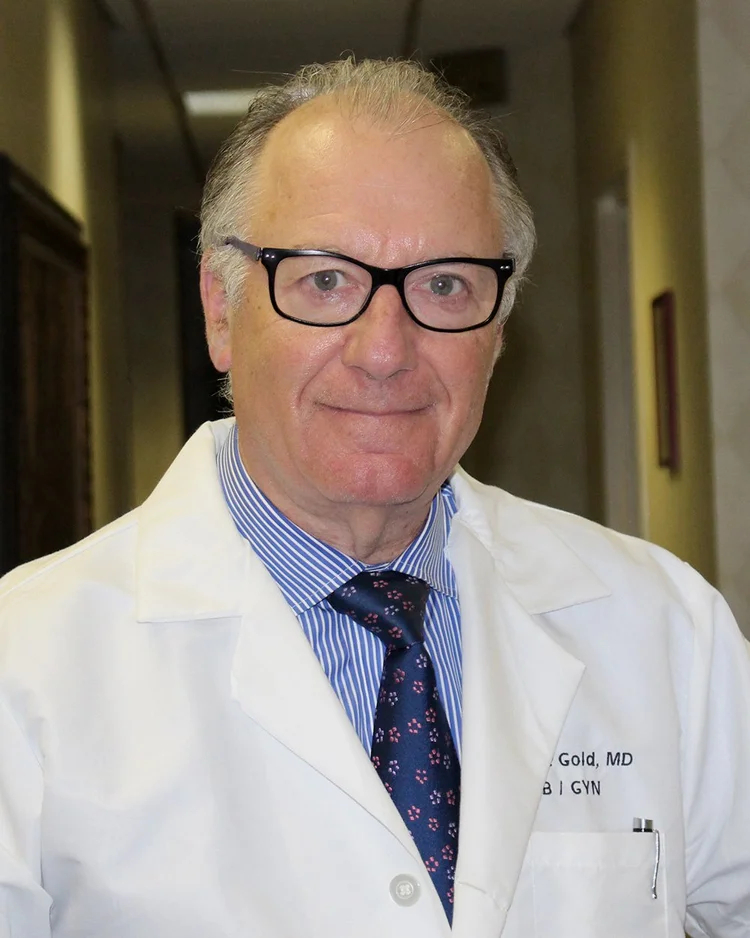
Why Women Trust Dr. Gold with Sensitive Care
Dr. Mark P. Gold | MD, Board Certified OB-GYN, Certified Biote® Provider
Dr. Mark P. Gold is a Board Certified OB-GYN who has cared for women in New York City since 1981. As a certified Biote® provider who also offers ThermiVa in the office, he brings hormone expertise and non-surgical pelvic treatment together under one roof, so you don't have to piece your care together across multiple offices.
The practice of Dr. Mark P. Gold, MD is intentionally small. You see the same physician at every visit, someone who knows your history and listens closely. That continuity matters when the topic is personal. If making the appointment feels like the hardest part, that's normal. This is not about turning back the clock. It's about helping you feel comfortable, connected, and like yourself again.

What Our Amazing Patients Say
Trust is earned over years, one visit at a time. Here's what women have shared about their experience with Dr. Gold.


Related Care at the Practice
Pelvic and sexual health rarely exists in isolation. These services often work hand in hand with the care described above.
Hormone Replacement Therapy
Bioidentical hormone therapy for perimenopause and menopause symptoms like hot flashes, brain fog, poor sleep, and low libido.
Gynecology
Annual well-care exams, problem-focused visits, contraception, and ongoing gynecologic care with the same physician every time.
Procedures and Services
In-office care including ultrasound, colposcopy, hysteroscopy, biopsies, IUD placement, and osteoporosis evaluation.
Weight Management
Medically supervised weight loss, including GLP-1 medications, for women whose metabolism has shifted with hormonal changes.
Pelvic and Sexual Health FAQs
Honest answers to the questions women ask most often.
Is painful sex after menopause normal?
It's common, but it isn't something you have to accept. As estrogen declines, vaginal tissue can become thinner, drier, and less elastic, which can make intercourse uncomfortable or painful. Options such as low-dose vaginal estrogen, bioidentical hormone therapy, and ThermiVa can help restore comfort, and Dr. Gold can help you find the right fit.
What causes low libido in women?
Low desire can be shaped by declining estrogen and testosterone, stress, poor sleep, certain medications, relationship factors, or pain during sex. Because the causes often overlap, Dr. Gold looks at your symptoms, history, and lab work together before recommending treatment.
Is bladder leakage after childbirth treatable?
Yes. Pregnancy and vaginal delivery can stretch and weaken the pelvic floor muscles that support the bladder, which is why leaking is so common afterward. Depending on the type and cause, a plan may include pelvic floor strengthening, in-office treatment, or referral when specialized care is needed.
Do I need systemic hormones to treat vaginal dryness?
Not always. Low-dose vaginal estrogen and other local therapies act right where they are needed and are often a good starting point, especially if you prefer not to use systemic hormones. If hormone changes are causing broader symptoms, bioidentical hormone therapy may also be discussed.
What happens at my first pelvic and sexual health visit?
Your first visit is a private conversation about your symptoms, history, and goals. Dr. Gold may perform a pelvic exam and order lab work, including hormone testing, and then walk you through your options so you can decide on a plan together.
How soon will I notice results?
Improvement is usually gradual. Some women notice more comfort or moisture within a few weeks, while hormone therapy can take a couple of months to reach its full effect. Results vary from person to person, and follow-up visits help maintain your progress.
You Deserve to Feel Comfortable in Your Own Body
Take the first step toward painful intercourse treatment, bladder support, and renewed desire with a private consultation in Manhattan.
Schedule online through Zocdoc or call (212) 288-8300 to book your visit. Dr. Mark P. Gold, MD does not accept insurance.
Visit Our Office
All appointments take place in person at the office.
This page is for educational purposes and is not a substitute for a personal medical consultation. Individual results vary, and no specific outcome is promised. ThermiVa is performed using an FDA-cleared radiofrequency platform; the FDA has not cleared or approved energy-based devices specifically for vaginal rejuvenation, sexual function, or urinary incontinence. Testosterone therapy for women is not FDA-approved and is prescribed off-label only when clinically appropriate. Treatment recommendations are made after an individual evaluation by Dr. Mark P. Gold.
If you are having a medical emergency, call 911 or go to the nearest emergency room.
Please don't send personal health information by email. The information on this website is for general education and is not a substitute for an individual medical evaluation. Hormone therapy and other treatments are recommended only after a personal consultation, and results vary from person to person.
The information on this page is for educational purposes and is not a substitute for an individual medical evaluation. Bioidentical hormone pellets are compounded medications and are not approved by the U.S. Food and Drug Administration. Hormone therapy is not appropriate for every patient, and individual results vary. All treatment decisions are made by Dr. Mark P. Gold, MD after a consultation and review of your health history.
The information on this page is for general education and is not a substitute for personal medical advice. Treatment recommendations, risks, and recovery vary from person to person and are discussed individually during your visit with Dr. Gold. Individual experiences and outcomes may differ.