What This Guide Covers
- Hot Flashes and Night Sweats: Why Your Sleep Falls Apart
- Why Falling Estrogen Disrupts Your Body’s Thermostat
- The Sleep-Weight-Fatigue Cycle Nobody Warns You About
- How Bioidentical Hormone Therapy Can Help You Sleep Again
- Our Approach at Dr. Mark P. Gold, MD
- Is Hormone Therapy Right for You?
Hot Flashes and Night Sweats: Why Your Sleep Falls Apart
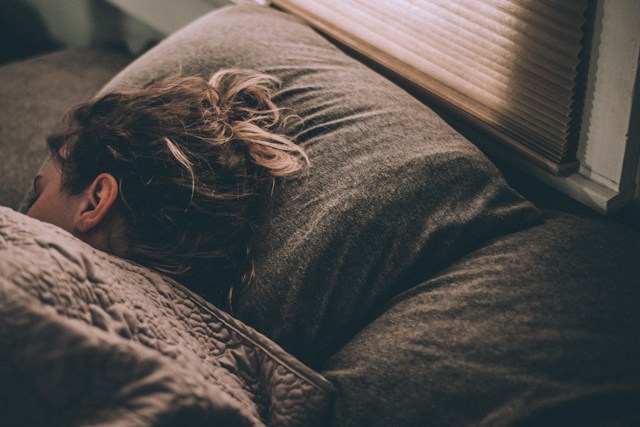
If you are lying awake at 3 a.m. soaked through your sheets and wondering why this keeps happening, you are not imagining it and you are not alone. Hot flashes and night sweats are among the most common reasons women in midlife stop sleeping through the night, and the exhaustion that follows touches everything else: your mood, your focus at work, your patience with your family, and your motivation to do much of anything once the sun comes up.
This time of year can make it feel even harder. Between holiday schedules, houseguests, travel, and the general push to keep everyone else’s plans running smoothly, a string of broken nights adds up fast. Dr. Mark P. Gold, MD has spent decades caring for women through every stage of hormonal change, and one thing is clear: disrupted sleep during perimenopause and menopause is not a willpower problem. It is a hormone problem, and it is one that can be addressed.
This guide walks through why your internal thermostat seems to have a mind of its own, how poor sleep quietly fuels fatigue and weight changes, and how bioidentical hormone therapy may help restore the kind of rest that actually leaves you feeling human again.
Why Falling Estrogen Disrupts Your Body’s Thermostat
Your hypothalamus, the part of your brain that regulates body temperature, relies on steady estrogen levels to keep its internal thermostat calibrated. As estrogen production becomes erratic during perimenopause and then declines with menopause, that thermostat gets confused. It starts interpreting small, normal shifts in body temperature as overheating, triggering a rapid-fire response: blood vessels near the skin dilate, your heart rate climbs, and you sweat to cool down, even though nothing around you has actually changed.
This is what a hot flash is, and when it happens at night, it is a night sweat. The timing is not random, either. Many women notice these episodes clustering in the early morning hours, which lines up with natural dips in core body temperature and shifts in sleep architecture that happen later in the night. Add in surges of adrenaline that can accompany a hot flash, and it is no wonder you snap wide awake feeling like your heart is pounding.
What makes this especially frustrating is that the sleep disruption is not limited to the moments you are visibly sweating. Research has shown that estrogen decline also affects sleep quality on its own, independent of hot flashes, by influencing how long you spend in deep, restorative sleep stages. According to the National Institute on Aging, hot flashes and night sweats are reported by a large majority of women during the menopausal transition, and they can continue for years if left unaddressed. That is a long time to be running on broken sleep.
The Sleep-Weight-Fatigue Cycle Nobody Warns You About
Here is the part that rarely gets explained clearly: poor sleep and hormone decline do not just coexist, they actively reinforce each other. When you are not sleeping well, your body produces more cortisol, the stress hormone associated with abdominal fat storage. At the same time, sleep deprivation disrupts the hormones that regulate hunger and fullness, so cravings for sugar and refined carbohydrates tend to climb right when your body is least equipped to burn them efficiently.
Layer declining estrogen on top of that, and the cycle tightens further. Estrogen plays a meaningful role in how your body distributes fat and manages insulin sensitivity, which helps explain why so many women notice stubborn weight gain around the midsection during this transition, even without major changes to diet or activity. Add chronic fatigue into the mix, and the motivation to cook a balanced meal or get to the gym understandably drops. It is not a character flaw. It is biology working against you from several directions at once.
The daytime effects compound quickly:
- Brain fog and trouble concentrating, especially by mid-afternoon
- Irritability or low mood that feels disproportionate to the situation
- Increased appetite and cravings, particularly for quick energy sources
- Reduced motivation for exercise or meal planning
- A shorter fuse with coworkers, partners, or kids
None of this means you are broken. It means your hormones have shifted, and your sleep, weight, mood, and energy are all downstream of that shift. The good news is that addressing the hormonal root cause tends to improve several of these symptoms at once, rather than requiring you to manage each one separately.
How Bioidentical Hormone Therapy Can Help You Sleep Again
Bioidentical hormone replacement therapy, often shortened to BHRT, uses hormones that are molecularly identical to the estrogen, progesterone, and testosterone your body produced before this transition began. Because these hormones are plant-derived and structurally matched to your own, your body can use them the way it always has, rather than processing a synthetic substitute.
For sleep specifically, restoring more stable estrogen levels helps recalibrate the hypothalamic thermostat that is driving the hot flashes and night sweats keeping you up. When that thermostat stops overreacting to normal temperature shifts, the frequency and intensity of nighttime awakenings typically decrease. Progesterone adds another layer of benefit here: it has a calming, mildly sedating effect for many women and is often prescribed in the evening specifically to support falling and staying asleep.
It is worth being clear about what hormone therapy is and is not. This is not a sedative, and it is not a sleep aid in the way an over-the-counter pill is. It works by addressing the underlying hormonal imbalance that is interrupting your sleep in the first place, which is why the improvement tends to be more sustainable than symptom-masking approaches. The Mayo Clinic notes that hormone therapy remains one of the most effective treatments available for moderate to severe hot flashes and night sweats, though it is not appropriate for every woman, which is exactly why a personalized evaluation matters before starting treatment.
Our Approach at Dr. Mark P. Gold, MD
Dr. Mark P. Gold, MD has been caring exclusively for women’s health since 1981, and that depth of experience shapes how hormone therapy is approached here. As a solo OB-GYN practice, every patient is seen and managed by Dr. Gold directly, a Board Certified OB-GYN and certified Biote provider, rather than being routed between multiple clinicians. That continuity matters when you are dealing with something as individualized as hormone decline, because your pattern of symptoms, your health history, and your goals all factor into the right plan.
A visit here starts with a real conversation, not a generic checklist. Dr. Gold reviews your symptom history, including how often the hot flashes and night sweats are occurring, how your sleep has changed, and what else has shifted, whether that is mood, weight, libido, or energy. Lab work helps confirm where your hormone levels currently stand, and from there, treatment is built around your specific needs using bioidentical formulations through Biote, a platform designed around personalized dosing rather than one-size-fits-all prescribing.
This practice also treats menopausal care as part of a broader picture of women’s health, not an isolated issue. Depending on what you are experiencing, that might mean discussing ThermiVa for vaginal and pelvic health alongside hormone therapy, or addressing related concerns like bone health as part of the same visit. Dr. Gold provides care to every patient, and the goal in every visit is the same: help you understand what is happening in your body and build a plan that actually fits your life.
Is Hormone Therapy Right for You?
Not every woman experiencing hot flashes and night sweats is automatically a candidate for hormone therapy, and that is an important, honest starting point rather than a discouraging one. Certain health histories, including some cancers, blood clotting disorders, or uncontrolled cardiovascular conditions, require careful review before hormone therapy can be considered safe. This is precisely why a thorough evaluation, including a detailed medical history and appropriate lab testing, comes before any treatment decision rather than after.
For many women in perimenopause or menopause, though, hormone therapy remains a well-studied and effective option when prescribed and monitored appropriately. The decision is not about chasing youth or turning back the clock. It is about addressing a measurable hormonal shift that is disrupting your sleep, your mood, and your day-to-day function, and deciding whether restoring more stable hormone levels makes sense for your specific health picture.
If you have been managing broken sleep for months or years, assuming it is just something to push through, it is worth having that conversation sooner rather than later. Fatigue has a way of compounding, and the longer hot flashes and night sweats go unaddressed, the longer you are operating at a deficit that affects nearly every part of your day.
Ready to Sleep Through the Night Again?
You do not have to keep white-knuckling your way through broken sleep, soaked sheets, and exhausted mornings. Dr. Mark P. Gold, MD has been helping women understand and manage menopausal symptoms since 1981, and a personalized evaluation is the clearest way to find out whether bioidentical hormone therapy could help you rest better. Call (212) 288-8300 or book a consultation online to start the conversation. Learn more about hormone replacement therapy and what a personalized plan could look like for you.
Frequently Asked Questions
Why do hot flashes and night sweats get worse at night specifically?
Natural dips in core body temperature and shifts in sleep architecture that occur later in the night can trigger a heightened response in a hormone-sensitive region of the brain that regulates temperature. This, combined with hormonal fluctuations, makes nighttime hours a common time for hot flashes and night sweats to disrupt sleep. The result is often waking up overheated or drenched well before morning.
How long do menopause-related sleep problems typically last?
The duration varies significantly from woman to woman, with some experiencing symptoms for a few years and others for a decade or longer. Because the impact on sleep, mood, and energy can be substantial, most women benefit from discussing treatment options rather than waiting to see if symptoms resolve on their own.
Is bioidentical hormone therapy safe for improving sleep during menopause?
Bioidentical hormone therapy can be a safe and effective option for many women, but candidacy depends on individual health history, including factors like cardiovascular health and certain cancer risks. A thorough evaluation with a qualified provider is necessary before starting treatment to confirm it is appropriate for your specific situation.
Can I see Dr. Mark P. Gold, MD if I live outside Manhattan but still within New York City?
Yes, Dr. Gold provides care to women throughout New York City, and the practice welcomes patients from across the city seeking menopausal and hormone-related care. A consultation can be scheduled by phone or through the online booking link to find a visit time that works for you.
What is the difference between a hot flash and a night sweat?
A hot flash is a sudden sensation of heat, often accompanied by sweating and a racing heartbeat, that can occur at any time of day. A night sweat is essentially the same physiological event happening during sleep, often severe enough to wake you up and leave bedding or sleepwear damp.