
What This Guide Covers
- What an InBody Body Composition Scan Reveals in New York City
- Why the Number on Your Scale Doesn’t Tell the Whole Story
- The Key Metrics: Muscle Mass, Body Fat Percentage, and Visceral Fat
- How Body Composition Data Shapes Weight Loss and Hormone Therapy Decisions
- What to Expect During an InBody Scan at Dr. Mark P. Gold, MD
- Who Should Consider a Body Composition Scan
- Ready to Learn More? Book a Consultation
What an InBody Body Composition Scan Reveals in New York City
If you’ve ever stepped on a scale after weeks of eating well and exercising, only to see the same number staring back at you, you know how discouraging that can feel. It’s not just in your head, and it’s not a sign that your effort isn’t working. Weight alone cannot tell the difference between muscle you’ve built and fat you’ve lost, which is exactly why more women in New York City are asking about an InBody body composition scan before starting a new health plan.
An InBody body composition scan is a quick, non-invasive assessment that breaks your weight down into its actual parts: muscle, fat, water, and more. Instead of one flat number, you get a detailed picture of what’s happening inside your body. For women navigating perimenopause, menopause, or simply trying to understand why their body feels different than it used to, that distinction can be the missing piece of the puzzle.
At Dr. Mark P. Gold, MD, we believe decisions about your health should be based on real data, not guesswork. This guide walks through what the scan measures, why those numbers matter more than the scale, and how they can help shape a smarter plan for weight loss or hormone therapy here in New York City.
Why the Number on Your Scale Doesn’t Tell the Whole Story
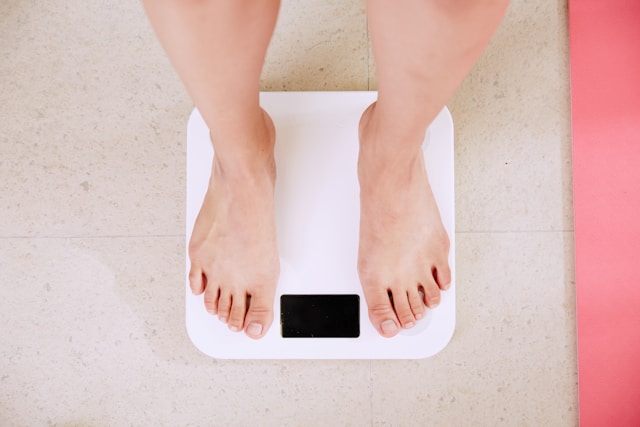
A traditional scale measures gravitational pull on your total mass. That’s it. It cannot distinguish between five pounds of muscle and five pounds of fat, even though those two tissues behave completely differently in your body. Muscle supports your metabolism, your bone density, and your strength as you age. Fat, particularly the kind stored around your organs, behaves more like an active tissue that can influence inflammation and hormone balance. Two women can weigh exactly the same and have very different health profiles underneath that number.
This becomes especially relevant during the hormonal shifts of perimenopause and menopause. Declining estrogen is associated with a redistribution of fat, often shifting it from the hips and thighs toward the abdomen, even when total weight stays steady. If you’ve noticed your clothes fitting differently despite the scale not moving, you’re not imagining it. That’s a body composition change, not a willpower failure, and it’s one that a scale simply cannot capture.
Even widely used tools like body mass index have real limitations, since BMI is calculated from height and weight alone and cannot account for muscle, bone density, or where fat is stored in the body. The CDC’s guidance on body mass index acknowledges this directly, noting that BMI should be considered alongside other health measures rather than used in isolation. That’s part of why body composition analysis has become a more useful starting point for women who want a clearer picture before making changes to their diet, exercise routine, or hormone therapy plan.
The Key Metrics: Muscle Mass, Body Fat Percentage, and Visceral Fat
An InBody body composition scan uses a technology called bioelectrical impedance, sending a painless, low-level electrical current through the body to measure how tissues respond. Muscle and water conduct this current differently than fat does, which allows the device to calculate a detailed breakdown of what your body is actually made of in just a few minutes.
The results typically focus on a few core measurements that matter most for long-term health:
- Skeletal muscle mass: the muscle attached to your bones that supports strength, balance, and metabolic rate.
- Body fat percentage: the proportion of your total weight that comes from fat tissue, rather than muscle or water.
- Visceral fat level: the fat stored around your abdominal organs, which is associated with a higher risk for certain metabolic concerns.
- Total body water: a marker of hydration status that can also reflect inflammation or fluid retention.
- Basal metabolic rate: an estimate of how many calories your body needs at rest to maintain its current composition.
Visceral fat deserves particular attention because it behaves differently than the fat you can pinch under your skin. According to Mayo Clinic’s overview of visceral fat, this deeper abdominal fat surrounds internal organs and has been linked to a higher risk of cardiovascular and metabolic concerns, even in people who appear to be at a healthy weight by scale measurements alone. A scan that reports this number gives you and your provider something concrete to track over time, rather than relying on appearance or weight alone.
How Body Composition Data Shapes Weight Loss and Hormone Therapy Decisions
Numbers only matter if they change what happens next, and this is where an InBody body composition scan becomes genuinely useful rather than just interesting. When a weight loss plan is built around body composition data, the goal shifts from simply making the scale go down to preserving and building lean muscle while reducing excess fat. That distinction matters enormously for long-term metabolic health, since muscle loss during aggressive dieting can actually slow your metabolism and make weight regain more likely.
For women considering GLP-1 weight loss medications, a baseline body composition scan can offer useful context before treatment begins and a way to track meaningful change beyond the number on the scale. Muscle preservation is a legitimate concern with any weight loss approach, and having a clear starting measurement allows your care to be adjusted with real information rather than assumptions.
Body composition data is equally relevant for women exploring bioidentical hormone replacement therapy. Hormonal shifts during perimenopause and menopause can affect muscle mass, fat distribution, and water retention, all of which show up clearly on a scan. Understanding where you’re starting from helps frame realistic expectations for how your body may respond as hormone levels are rebalanced, and it gives you a way to see tangible progress over the following months, not just a subjective sense of feeling better.
What to Expect During an InBody Scan at Dr. Mark P. Gold, MD
Dr. Mark P. Gold, MD has served women in New York City since 1981, and that long history has shaped a simple philosophy: good care starts with good information. A body composition scan fits naturally into that approach, offering objective data that supports the personalized, detail-oriented care this practice has always been known for as a solo OB-GYN practice led by a single, board certified physician.
A scan itself is brief and requires no special preparation beyond standing on the device’s designated foot plates and holding the hand sensors for a short period. There are no needles, no radiation, and no discomfort involved, which is part of why it fits so easily into a routine visit focused on weight management, hormone therapy, or general wellness. The results print out in a clear, easy-to-read format that Dr. Mark P. Gold, MD can review with you directly, translating the numbers into practical context for your specific health goals.
What makes this approach meaningful is that the data doesn’t exist in isolation. It’s discussed alongside your symptoms, your history, and your goals, whether that means exploring GLP-1 weight loss medications, starting bioidentical hormone replacement therapy, or simply understanding changes your body has been going through. Dr. Mark P. Gold, MD provides gynecologic and hormone care to women throughout New York City, and a body composition scan is one more tool used to make sure the plan built for you is grounded in your actual physiology rather than a generic protocol.
Who Should Consider a Body Composition Scan
You don’t need to have a specific diagnosis or be starting a major treatment plan to benefit from this kind of information. Many women simply want a clearer baseline understanding of their health, especially if they’ve noticed changes in energy, weight distribution, or how their clothes fit that don’t seem to match what the scale is telling them.
A body composition scan can be particularly informative if you recognize any of the following in your own experience:
- Weight that stays steady on the scale while your waistline or clothing fit changes
- Fatigue or reduced strength that makes you wonder if you’re losing muscle
- A new weight loss plan, including GLP-1 medication, where you want to track more than just pounds
- Consideration of bioidentical hormone replacement therapy and a desire to understand your starting point
- General curiosity about your metabolic health as you move through perimenopause or menopause
None of these situations require you to already have answers. The scan is meant to generate a starting conversation, not to diagnose anything on its own, and it works best as one piece of a broader evaluation that includes your symptoms, history, and goals.
Ready to Learn More? Book a Consultation
Understanding what your body is actually made of, rather than relying on a single number from the scale, can change how you approach weight loss, hormone therapy, and overall wellness. Dr. Mark P. Gold, MD offers this kind of detailed, personalized assessment as part of a broader commitment to evidence-based women’s health care in New York City. If you’re ready to move beyond the scale and get a clearer picture of your health, we invite you to book a consultation through Zocdoc and start the conversation with Dr. Mark P. Gold, MD directly.
Frequently Asked Questions
What does an InBody body composition scan measure that a regular scale can’t?
An InBody body composition scan breaks total weight down into its individual components, including skeletal muscle mass, body fat percentage, visceral fat level, and total body water. A regular scale only measures total weight and cannot distinguish between muscle, fat, or fluid, which means two people at the same weight can have very different health profiles.
Is an InBody scan uncomfortable or time-consuming?
No, the scan is quick, painless, and non-invasive. It uses a low-level electrical current that you cannot feel, and the entire process typically takes just a few minutes while standing on the device and holding the hand sensors.
How does body composition data help with hormone therapy decisions?
Hormonal changes during perimenopause and menopause often affect muscle mass and fat distribution, and a baseline scan gives a concrete starting point for tracking those changes. This information can help shape realistic expectations and allow adjustments to be made based on measurable data rather than general assumptions.
Can I get an InBody body composition scan in New York City if I’m traveling in from a nearby area?
Dr. Mark P. Gold, MD provides care to women throughout New York City, and the practice is accessible for anyone able to visit the New York City location for an appointment. It’s best to contact the office directly to confirm scheduling details before your visit.
Why is visceral fat specifically important to measure?
Visceral fat surrounds the abdominal organs and behaves differently than fat stored just under the skin, and higher levels have been associated with increased metabolic and cardiovascular risk. Unlike overall weight, visceral fat cannot be assessed visually or through a standard scale, which is why a body composition scan is a more reliable way to track it.